



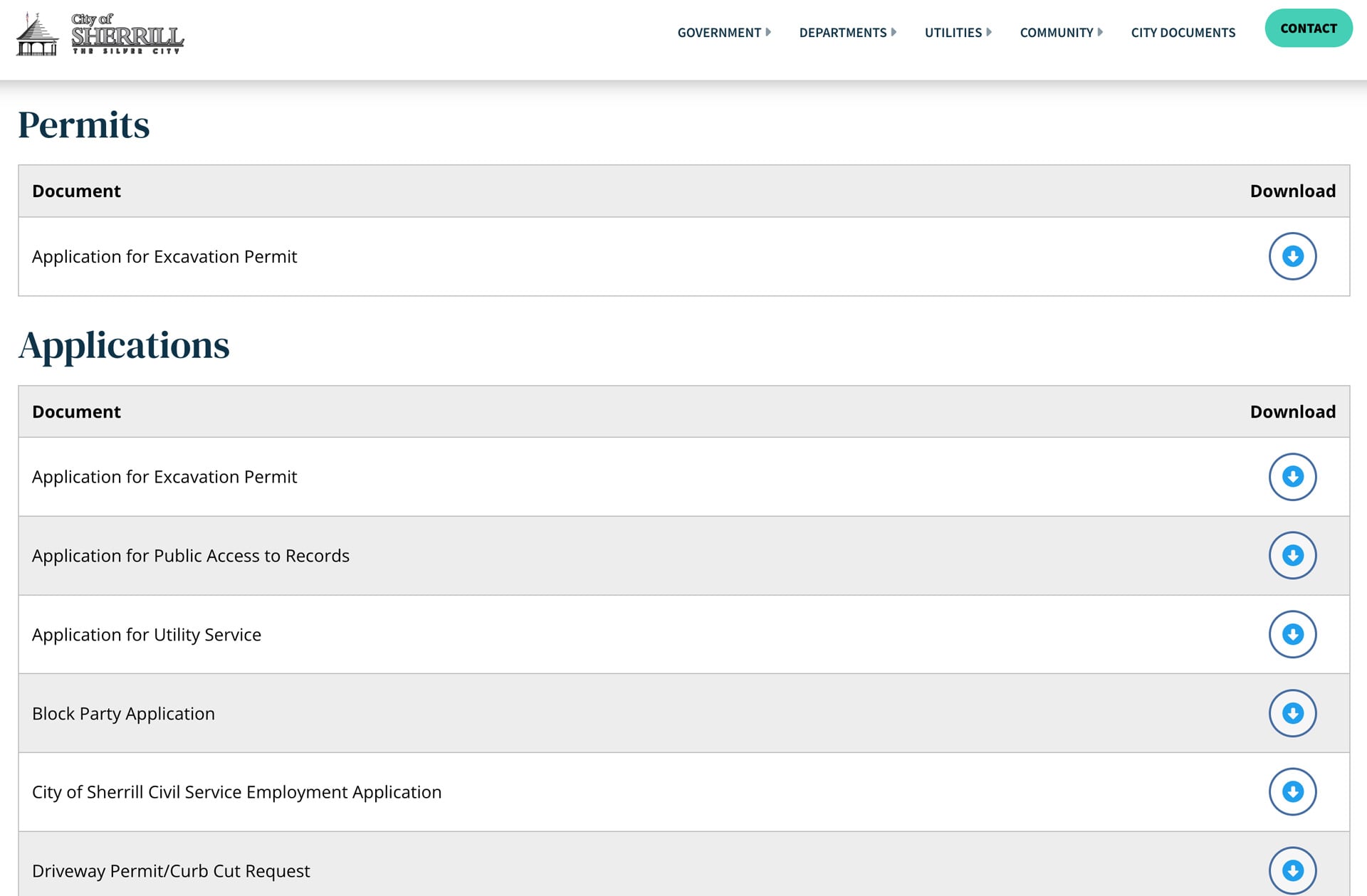
In 2026, a municipal website is no longer just a digital bulletin board. For New York State municipalities, it is a critical public service tool, a compliance requirement, and often the first point of contact between local government and the people it serves.
As new state regulations take effect, municipalities are being asked to do more than simply “have a website.” They must provide clear, accessible, and trustworthy online access to information that residents rely on every day. When done well, an easy-to-navigate website strengthens transparency, builds public trust, and saves time for both staff and residents. When done poorly, it creates frustration, confusion, and unnecessary risk.
Websites as Essential Public Infrastructure
Residents expect to find answers online quickly. Whether they are looking for meeting agendas, budget information, local laws, or contact details, the municipal website should work as reliably as any other public utility.
An intuitive website allows residents to:
- Understand how local government operates
- Stay informed about decisions that affect their community
- Participate in meetings and civic processes
- Access records without filing extra requests
For municipal staff, a well-structured website reduces phone calls, emails, and in-person visits by making information easy to find the first time.
2026 NYS Requirements Raise the Bar
Beginning in 2026, New York State law formalizes many of these expectations for municipalities serving populations of 1,500 or more, while allowing flexibility for smaller communities.
Key requirements include:
Mandatory Public Content
Municipal websites must publish:
Municipal websites must publish:
- Annual financial reports
- Current budgets
- Audit reports
- Public meeting agendas and minutes
These documents must be easy to locate, not buried behind confusing menus or outdated pages.
Local Laws and Codes
An updated version of local codes, laws, and resolutions, or a clear link to them, must be publicly accessible. Residents should not have to guess which rules apply in their community.
An updated version of local codes, laws, and resolutions, or a clear link to them, must be publicly accessible. Residents should not have to guess which rules apply in their community.
Privacy Policies in Plain Language
A clearly written privacy policy must be prominently displayed. Residents deserve to understand how their information is collected and used, without legal jargon.
Official .gov Domains
Municipalities are required to use an official “.gov” domain, reinforcing trust and authenticity. While hosting on another municipality’s website is permitted, the goal is clear identification as a legitimate government entity.
Municipalities are required to use an official “.gov” domain, reinforcing trust and authenticity. While hosting on another municipality’s website is permitted, the goal is clear identification as a legitimate government entity.
Accessibility Standards (WCAG 2.1 AA)
Federal rules require state and local government websites to meet WCAG 2.1 Level AA accessibility standards. This ensures that residents with disabilities can navigate, read, and interact with online content effectively.
Municipalities with populations under 1,500 are required to comply “to the extent practicable,” recognizing limited resources. Even so, usability and clarity remain essential goals for all communities.
Accessibility and Usability Go Hand in Hand
Accessibility is not just a compliance checkbox. It improves the experience for everyone. Clear navigation, readable text, consistent layouts, and logical page structure help seniors, people using mobile devices, residents with limited internet access, and those using assistive technologies.
An easy-to-use website ensures that:
- Residents can find what they need without frustration
- Information is understandable, not overwhelming
- Civic participation is inclusive, not exclusive
Transparency Builds Trust
When financial reports, meeting materials, and policies are easy to find, residents feel informed rather than excluded. Transparency reduces misinformation, strengthens accountability, and reinforces confidence in local leadership.
In contrast, outdated or hard-to-navigate websites can unintentionally signal disorganization or lack of openness, even when a municipality is working hard behind the scenes.
Looking Ahead
The 2026 regulations are not just about meeting legal requirements. They reflect a broader shift in how communities expect government to operate in a digital world.
Municipal websites should:
- Serve residents first
- Be clear, organized, and accessible
- Reflect the professionalism and care of local government
- Adapt as regulations and community needs evolve
For New York State municipalities, investing in an easy-to-navigate, easy-to-use website is an investment in public service itself. In 2026 and beyond, the strength of a community’s digital presence will play a direct role in how connected, informed, and engaged its residents feel.
If your municipal website isn't up to 2026 standards, contact us to find out how we can help!